
Cross-Border B2B Payments: The Import-Export Guide
Explore the fundamentals of cross-border B2B payments in global trade, including international payment mechanisms, foreign exchange management, regulatory compliance, transaction security, and strategic best practices for import-export enterprises.
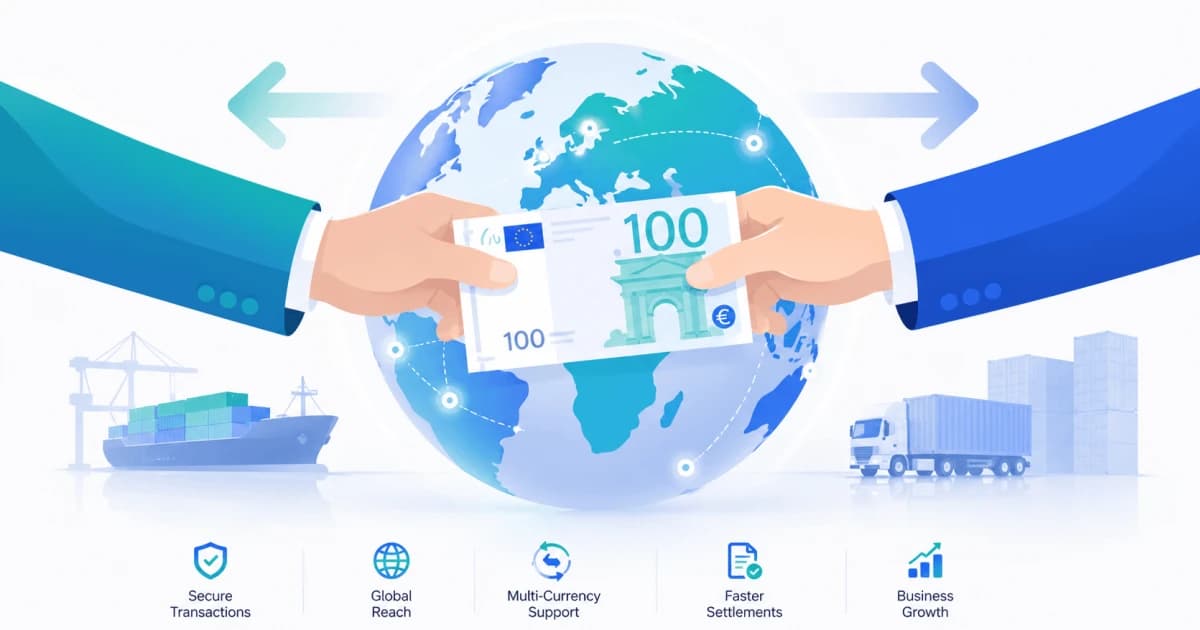
Learn how cross-border B2B payments work in global trade, including payment methods, currency exchange, compliance, transaction security, and best practices for import-export businesses.
Cross-Border B2B Payments: The Import-Export Guide
Global trade has become faster, more digital, and more interconnected than ever before. Whether you are importing raw materials from China, exporting machinery to Europe, or managing suppliers across multiple countries, one thing remains critical: secure and efficient cross-border B2B payments.
For importers and exporters, international payments are not just transactions — they directly affect cash flow, supplier relationships, profit margins, and operational efficiency. Understanding how cross-border payments work can help businesses reduce delays, avoid excessive fees, and minimize financial risks.
This guide explains everything businesses need to know about international B2B payments in the import-export industry.
What Are Cross-Border B2B Payments?
Cross-border B2B payments are financial transactions made between businesses located in different countries. These payments are commonly used for:
- Paying overseas suppliers
- Receiving payments from international buyers
- Settling shipping and logistics invoices
- Paying customs duties and taxes
- Managing global procurement operations
Unlike domestic payments, international transactions involve multiple financial systems, currencies, regulations, and intermediaries.
Why Cross-Border Payments Matter in Import-Export
In international trade, payment delays can disrupt entire supply chains. Businesses rely on timely settlements to:
- Release shipments
- Maintain supplier trust
- Avoid inventory shortages
- Reduce foreign exchange risks
- Improve working capital management
Efficient payment systems also help businesses scale globally without operational bottlenecks.
Common Cross-Border Payment Methods
1. Wire Transfers
International wire transfers remain one of the most widely used payment methods for B2B trade.
Advantages:
- Secure for large transactions
- Accepted globally
- Reliable for supplier payments
- Challenges:
- High transfer fees
- Slow settlement times
- Currency conversion charges
Wire transfers are typically processed through the SWIFT network.
2. Letters of Credit
A Letter of Credit is a bank-issued guarantee ensuring that exporters receive payment once agreed trade conditions are met.
Best For:
- High-value shipments
- New trading relationships
- Risk-sensitive transactions
Benefits:
- Reduces payment risk
- Protects both buyers and sellers
- Improves trust in international trade
However, LC processes can involve heavy documentation and banking fees.
3. Open Account Payments
In this model, exporters ship goods before receiving payment.
Benefits:
- Attractive for buyers
- Simplifies transactions
Risks:
- Higher risk for exporters
- Potential late payments
This method is often used between long-term trusted business partners.
